

Evolving Technology in Exoskeletons
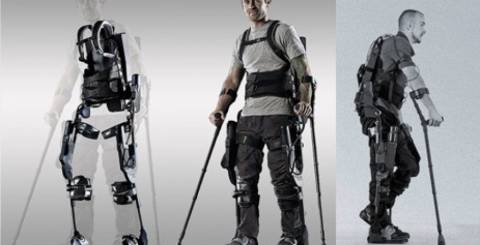
Over recent years there has been a significant investment and many breakthroughs in the development of exoskeletons to assist individuals with mobility and strength.
There are a handful of companies worldwide currently developing such products, and whilst there are further advances envisaged over time, products currently available are already making a significant difference to the lives of people who have been affected by Spinal Cord Injuries (SCI).
An exoskeleton is electronically powered ‘suit’ which is attached to and placed over an individual’s paralysed or weakened limbs, allowing them to stand and walk or perform daily activities with powered assistance from the suit.
There are currently three leading companies, Ekso, ReWalk and Rex Bionics that produce exoskeletons for use by SCI patients. Each company’s product differs, though each has the purpose of allowing a patient to stand and walk.
Up until 6 years ago, exoskeletons were used exclusively in clinics as they had to be controlled by a therapist. Things did however change when a new machine was developed, which could be controlled solely by the user, meaning they could walk completely independently.
Awareness of exoskeletons was raised significantly in April 2012 when Claire Lomas, who had been paralysed following a horse riding accident, completed the London Marathon using a suit.
The cost of an exoskeleton at present is significant, with a machine costing in the region of £100,000. As a consequence, they are still used almost exclusively by hospitals or treatment centres in a rehabilitation or therapeutic context.
Use of an exoskeleton within a rehabilitation programme broadens the range of the exercises that can be carried out and allows a patient to perform therapeutic exercises in a standing position, and enhance the benefit of such rehabilitation.
The benefits of the use of an exoskeleton for Spinal Cord Injury (SCI ) patients go beyond the context of therapy. There is a clear psychological benefit of an SCI patient being in a position where they are able to stand again. This of itself is significant, though it also allows the user to interact socially at eye level with others.
Furthermore, the use of such a suit has broader physiological benefits. By adopting a standing position the patient is able to redistribute their weight to the bones in the lower limbs and this in turn assists in rebuilding bone density and muscle tone.
Additionally, in clinical research carried out, users have reported a reduction in muscle spasticity and improvement in bowel movement. The In addition standing with the use of an exoskeleton can also alleviate many health problems associated with being seated for prolonged periods of time.
Far too many SCI’s are due to accidents caused by somebody else’s negligence and usually a serious injury compensation claim is made to help with comprehensive treatment, support, and rehabilitation, as well as funding for aids, adaptations and equipment. Serious injury solicitors specialising in spinal injury claims, such as CFG Law, can help people to obtain access to such equipment.
At the outset of a claim, they will seek obtain co-ordinate evidence and advice from a myriad of medical experts such as consultant orthopaedic surgeons, physiotherapists, occupational therapists and neuro-physiotherapists.
As well as seeking their advice on the nature of the injuries sustained, a specialist solicitor will also ask them to advise on the nature of treatment, rehabilitation or therapy someone would benefit from. Treating experts can then be approached to start rehabilitation and therapy at an early a stage as possible.
It is important to be aware of developments within SCI technology that can enhance recovery. There will be many developments to exoskeletons over the coming years. Not only are they likely to become less bulky, and have longer battery life but they are also likely to be easier to use. In 2016, a paralysed man had a chip implanted in his brain which allowed his exoskeleton to be controlled by his thoughts.
The technology is developing constantly and it is developing at a fast pace. It is hoped that alongside this development, as the technology becomes more widely used that the cost of such devices will come down.
Similar Articles

Managing multiple documents can quickly become frustrating. Imagine sending several files in an email, uploading different attachments to a submission portal, or sharing a business report with clients across multiple documents.

Energy efficiency is revolutionizing power distribution, leading to more sustainable and cost-effective energy systems.

Moving has a way of making even organized people feel scattered. One minute you’re labeling boxes. The next, you’re hunting for a receipt, calling the utility company, and wondering where the tape disappeared to.
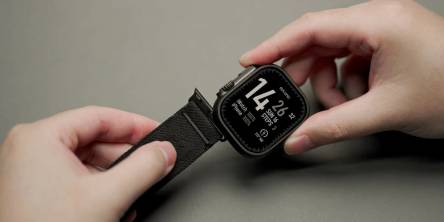
Apple devices break more than owners expect. This guide shows the cases, screen protectors, and Apple Watch bands that stop cracks, scratches, and costly repairs, plus how to change apple watch band in under a minute.

The aviation industry is rapidly modernizing, shifting from reactive, paper-heavy maintenance to highly automated, predictive ecosystems.

Learn what makes users trust a health app instantly and discover the design, security, and user experience factors that drive long term engagement.
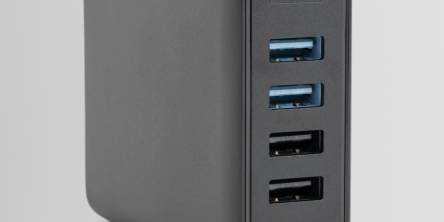
Learn how Thunderbolt 4 docking stations support multiple displays, deliver fast data transfer, and create a streamlined, productive workspace.
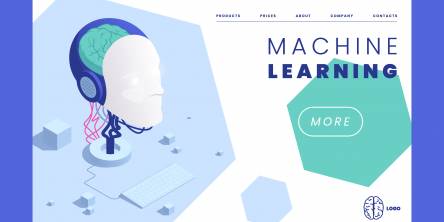
Learn how ML development teams measure ROI from machine learning investments by tracking revenue growth, cost savings, productivity gains, risk reduction, and long-term business outcomes.

Whether you are storing personal photos, school projects, work documents, or business files, cloud storage makes it easy to access your data from anywhere with an internet connection.