

Are Nerve Blocks The Last Resort For Pain Management?
Persistent chronic pain can make life miserable and those who suffer from it are constantly looking for pain management that will provide immediate relief. Chronic pain lasts as long 12 weeks and can be ongoing. This is why something more than conventional treatments have proven to be a better option for success. It also is a way to avoid the adverse reactions that medication treatments can cause.
Defining Pain Management
As it implies, this is managing chronic pain and maintain control over it. There are many options and techniques in doing this, but not all of them work for everyone. Sometimes, it is necessary for those that suffer from chronic pain to look for alternative treatments, such as nerve blocks.
What There Is To Know About Nerve Blocks
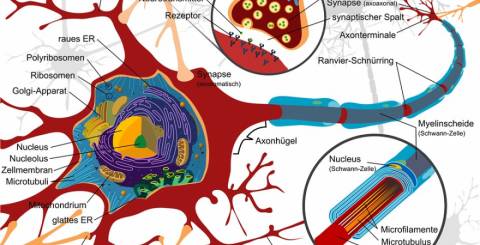
Nerve blocks are a treatment for pain management which targets the groups of nerves causing pain in specific parts of the human body. These are the ganglion or plexus nerves. Also known as a regional block, it is deliberately interrupting the signals to and from the nerves.
When the medication of nerve block is injected into the nerves of the “problem” area and there it blocks the nerves function. This is usually a short-term basis pain block, lasting from a few hours to a few days. The injection consists of a corticosteroid, epinephrine, lidocaine, and/or an opioid.
The epinephrine constricts the blood vessels and allows the anesthetic to put an end to diffusing quicker. The steroids assist in reducing inflammation with the opioids acting as painkillers. The majority of the local anesthetic nerve blocks are performed in only one treatment, but there are times that multiple treatments are needed for the patient to have prolonged relief.
The neurolytic blocks will temporarily degrade nerve fibers by applying ‘cold’ or 'hot' chemicals to the affected nerve which will subside the pain. This type of block can last for a few weeks or as long as few months. And for some patients, it lasts indefinitely. Many consider this the best pain management available.
Neurolysis is using chemicals that degrade that affected nerve and neurotomy is the process of freezing or heating the affected nerves. The pain management they both provide is degrading the nerve fibers and cease any pain signal transmission temporarily.
Neurectomy is considered more of a permanent nerve block more than just a pain management process. It involves cutting into or completely removing an area of the affected nerve. This is more than just pain management because it is a permanent procedure and is the last resort.
Answers, Concerns, Questions
As with any type of procedure, a patient will have concerns and questions. And having a nerve block for pain management therapy is no different. The first two questions most will ask is “Is this safe? Are there risks?” And the answer to both is yes.
Yes, nerve blocks are safe. But just like a general anesthesia, there are some possible risks, however, that risk is low as long as the procedure is performed in a sanitary, sterile environment. The risk of damaging the nerves is less than one percent. If there is any ill-effect to the nerve block, it usually a temporary issue.
Another frequent question is “Will a nerve block is painful?” The doctor that is administering the nerve block will give the patient a sedative to help them relax, which will make the process go smoother and be less painful.
After a nerve block has been administered, a patient may feel some discomfort, soreness in the area. The pain management doctor will provide the patient with instructions to apply cold/hot compresses to the area and may prescribe an antibiotic to offset any possible infections. The majority of nerve blocks are much like getting a filling – they are common and done every day around the world.
Similar Articles

Aged claims are one of the most persistent revenue issues in anesthesia. Unlike other specialties where billing cycles are relatively straightforward, anesthesia claims involve time-unit calculations, concurrency rules, and payer-specific modifiers that make disputes and denials more likely.

Sound healing has emerged as a transformative wellness practice, offering relief from stress, anxiety, and physical tension

The global wellness wave continues to tilt increasingly toward natural, organic, and Ayurvedic options. In 2025, the demand for certified-organic herbal supplements and genuine Ayurvedic formulations is higher than ever.

Indigestion, also known as dyspepsia, is one of the most common digestive complaints affecting people of all ages. It often manifests as bloating, heaviness after meals, burning in the stomach, or discomfort in the upper abdomen.

Imagine this: Lying comfortably inside an airtight chamber and taking deep, cleansing breaths of pure oxygen while your body quietly thanks you for its extra dose of healing power.
Vitamin D, often called the “sunshine vitamin,” is one of the most essential nutrients for overall health. It plays a crucial role in calcium absorption, bone health, immune function, and hormone regulation

Money can buy luxury, but not health. Modern sedentary lifestyles, dominated by screens, minimal physical activity, unhealthy diets, addictions, and stress, are crippling our society with diseases.

The liver is a Vital organ which is responsible for a number of essential functions that include detoxification of harmful substance, metabolising nutrients, production of bile for digestion, regulates blood sugar levels by storing and releasing glucose, synthesis of protein, break down of fats through Beta- oxidation.

In ancient times when there was no professional method of health examination, people usually figured out health problems because of signs on one’s appearance. The change of skin color might be one of the most common signs that show something unusual inside the body.