

5 Ways to Prevent Cool Air Loss
During the summer, all one can think about is how to stay cool without spending a fortune on HVAC energy bills. It's the reason why the loss of cool air from your home is a huge threat to your budget and health. The problem affects many people, regardless of their home sizes and location.
Cool air loss occurs when conditioned air starts escaping through cracks and vents. Lucky for you, with the right guidance, you can easily prevent and stop cool air loss from your house.
In this article, we'll discuss the top ways to improve your comfort by preventing cool air loss.
Repair Cracks and Openings

Image via Flickr by mike krzeszak
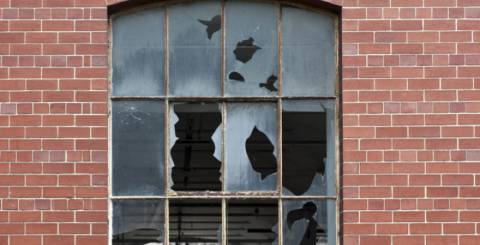
Cracks and openings are a major cause of cool air leaks in a house. You should inspect your home weekly to identify the gaps and seal them, caulking any cracks near the windows and doors to prevent air loss at home.
All you need to get started caulking is a caulking gun, a putty knife, and a scraper. These are cheap and easy to access. Sealing the cracks will also reduce cold spots and drafts, therefore, improve your overall home comfort.
Check the HVAC Insulation system
Home insulation is the second-best method of keeping your home warm and comfortable. It may seem counter-intuitive since insulators are believed only to hold warm air in the house. However, sealing your home correctly can also keep the warm air out of the house. Start by finding out where the hot air might find places to seep in. Be sure to fasten the restraint in your fireplace, feel around the doors and windows for warm airflow, and install the insulation where necessary.
Replace Your Air Filters
During the summer, dust and debris spread around fast. When dust accumulates on the HVAC air filters, the system requires more energy to cool the same amount of air. This is why you should clean your air filters each month in the summer. Air filters do two things. They clean the air that circulates through your HVAC system, allowing you to breathe fresh air inside your home, and they preserve the health of said system by keeping particles and gunk from building up on it. Replacing them is easy and cost-effective for you in terms of saving energy costs. Clean filters consume less energy and are effective in cooling your air at home.
Turn off Appliances
Even during the hottest summer days, you still need to cook, launder, and clean up. Home appliances normally generate a lot of heat, while you are trying to minimize it in your home. To be safe, you should turn off all unnecessary devices such as computers, Coffee makers, toasters, microwaves, dishwashers and washing machines electric sewing machines should all be switched off and unplugged to save electricity and protect your home from fire risk.and cook using the slow cookers to prevent sudden heat change. It's also advisable to enjoy summer grilling which takes the hot cooking outdoors.
Get Your Home Under a Shade
The process of keeping your home cool starts on the outside. Planting trees near your home can block intense sun rays from getting in the house during the peak of the season. You can also plant shrubs and bushes around the areas that need insulation.
Loss of cooled indoor air in the house can lead to both discomfort and an inflation on your bills. To keep yourself and your family safe, you should be keen on improving your indoor air quality. Using the right devices, you can also customize the temperature in each zone in your home.
Similar Articles

A home sauna can sound like a luxury purchase, but for some households it becomes a feature that gets used regularly rather than occasionally. The real question is not whether a sauna is appealing. It is whether the cost makes sense for the way you live.
Learn what to consider before adding a fireplace to an open-plan home, including placement, heat output, furniture, materials, installation and maintenance.
Garage doors are used so frequently that it is easy to overlook the wear and tear they experience. Over time, moving parts can loosen, sensors can become misaligned, and small mechanical problems can develop into expensive repairs.
Most of the decisions that make or break a detached garage happen before a single wall goes up.

If you have ever cleared the dining table for a blow-up mattress, or given up your own bedroom for a week while relatives filled the house, you already understand the problem.

According to environmental studies, the average person spends roughly ninety percent of their life indoors. This staggering reality has sparked a widespread shift in how we approach interior spaces, especially as remote work and digital lifestyles keep us tethered to screens.

The garden has quietly become the most valuable extra room in the British home. With hybrid working now a fixture rather than a phase, the wider outdoor-living economy is booming.
Most people who hire a skip bin for the first time arrive at the decision under some degree of pressure. The renovation has started, the waste is accumulating, and the question of what to do with it has become urgent.

Most homeowners approaching a granny flat project spend considerable time thinking about the end result and considerably less time thinking about the floor plan decision that will largely determine what that result looks and feels like.