

What Homebuyers Need to Know About Radon Testing: Essential Insights for Safe Home Purchases
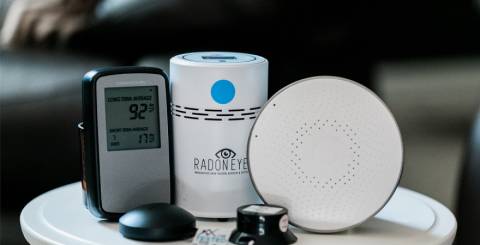
When purchasing a home, it's essential to consider not just the visible aspects of your potential new residence but also the invisible ones, such as the presence of radon gas. Radon is a naturally occurring radioactive gas that, when accumulated in high levels within a building, can pose significant health risks. Understanding radon testing is a critical step in ensuring your future home is safe and does not pose a hidden hazard to your health.
Radon is undetectable by human senses, meaning neither sight, smell, nor taste can alert you to its presence. This stealthy characteristic underscores the importance of professional radon testing before finalizing any home purchase. As a homebuyer, knowing the radon levels in your potential new home is imperative, especially since the Environmental Protection Agency (EPA) advises action if levels exceed a certain threshold. By being informed and proactive about radon testing, you can negotiate mitigation steps if necessary and gain peace of mind.
Understanding Radon and Its Risks
When considering the safety of your future home, it's important to be aware of radon and the risks it poses to health.
What Is Radon?
Radon is a naturally occurring radioactive gas produced from the decay of uranium in soil, rock, and water. Being colorless, odorless, and tasteless, it can go undetected without proper testing. It typically moves through the ground to the air above and into your home through cracks and other holes in the foundation, potentially accumulating at dangerous levels.
Health Risks Associated with Radon Exposure
Long-term exposure to radon has been identified as the second leading cause of lung cancer after smoking. Your risk of lung cancer increases significantly with higher levels of radon and longer exposure times. Since radon levels can vary daily and from one room to another, it's advised to conduct tests with a professional radon tester to accurately assess radon levels and make informed decisions about mitigation, if necessary. Remember, any radon exposure carries some risk; there is no known safe level of radon.
Radon Testing Essentials
Radon testing is a critical step in ensuring your home's safety. Understanding when to test, the types available, and how to interpret results can protect you from the risks of long-term radon exposure.
When to Test for Radon
You should test for radon before purchasing a new home or after changes to your property that could impact radon levels. The U.S. Environmental Protection Agency advises testing in the lowest level of the home that could be used on a regular basis, to capture where exposure is most likely to occur.
Types of Radon Tests
There are mainly two types of radon tests: short-term and long-term. Short-term tests last from 2 to 90 days and provide quick results, while long-term kits measure radon levels for over 90 days, giving a better average level reflective of your home's year-round exposure. For more detail on the types of tests, the CDC offers guidance.
Interpreting Radon Test Results
Radon levels are measured in picocuries per liter (pCi/L). Any reading of 4 pCi/L or higher is a cause for concern and warrants further evaluation. For results below this threshold, the EPA still recommends considering fixes to reduce levels.
Next Steps After Radon Testing
If your test results show high levels of radon, consider retesting or conducting a long-term test to confirm results. If elevated levels are consistent, it's important to contact radon mitigation professionals who can advise on the best course of action to reduce the radon levels in your home.
Key Insights on Radon Testing for Homebuyers
Radon testing should be a non-negotiable part of your home inspection process to ensure your future home is safe from this invisible hazard. Understand that radon levels can fluctuate; therefore, long-term testing provides a more accurate assessment than short-term testing. Should tests reveal high radon levels, know that mitigation systems are effective and can significantly reduce radon to safe levels. Remember, your health and peace of mind in your new home are paramount, and radon testing is a critical step in protecting both
Similar Articles

Owning a second home has become an aspiration for many families looking to create a peaceful retreat away from the demands of everyday life.

A cash offer usually cuts a home sale from something like 45 to 60 days down to 7 to 21 days, because the longest single step in a traditional sale, mortgage underwriting, stops existing.

Modern city life offers countless opportunities, but it also comes with challenges that can affect overall well-being

Real estate remains one of the most reliable wealth-building vehicles available, but simply owning a property does not guarantee stellar financial returns.

If you have ever typed sell my house fast into a search bar at midnight, you already know the feeling. Maybe a job is moving you out of state.
Buying your first home is an incredible milestone. From daydreaming to mortgages, it can feel like a rollercoaster of a journey.
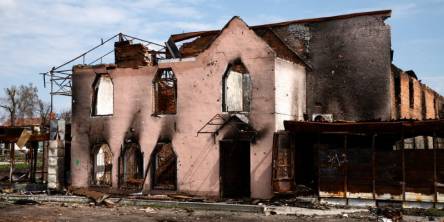
You can also sell a fire-damaged house quickly without repairs by selling it in the open market, to a cash buyer or investor who primarily focuses on distressed properties

Modern city life, while full of opportunities, often comes with its own set of challenges: constant noise, traffic congestion, pollution, and a never-ending routine.
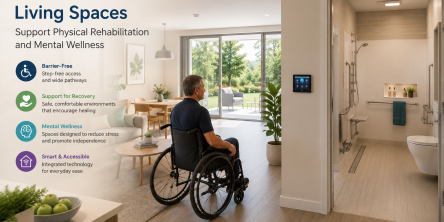
Recovering from a major injury or adapting to a complex medical diagnosis is a significant challenge that requires time, patience, and professional care.