

Choosing the Right Type of Paver to Energize your Garden
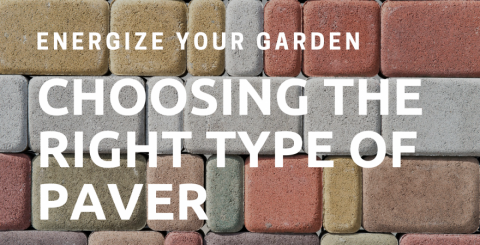
If you're planning your dream garden, choosing the right paving can do wonders. Think of it this way ‒ you're going to live in your home for a long time and having a well-designed garden can turn a dull, outdoor space into the most relaxing place in the house.
However, choosing the right kind of paving that goes well with your garden can be challenging. With so many choices available in different price ranges, how will you end up choosing the right one? Surely, no matter how bold your vision is, there's likely to be a paver that's meant to suit all your needs, right?
Here are some helpful tips to help you come up with ideas for your next project:
Think About How Your Paving Will Be Used

Consider the location and the expected frequency that the paving will be used. Think about how much weight and traffic they’ll be able to tolerate on a daily basis.
For example, you want to add a patio to complement beautifully with your garden. If you love the characteristics of natural stone materials because it gives off a perfect feel when watching the sunset with a glass of wine at hand, then you'll be more naturally drawn to limestones, slates, and sandstones.
However, if your garden paving will have to continually endure a lot of footfall because of the kids and animals in your home, then you should consider getting the ones that are slip-resistant with family-friendly textured surfaces.
Choose a Style That Matches Your Garden
Just like performance, appearance is also equally as important. You have to consider how your garden paving will complement with the style of your home. Does your house already have existing walls that help create a particular look? Do you have a contemporary or a traditional theme going for you? Which style do you prefer ‒ would you go for a more rustic, or a chic-inspired look?
If you’re into traditional designs, then river-worn gravel, hazel hurdles, and rustic clay pavers are more fitting. However, if you're going for a more fresh, and modern take, then a planed oak, quartzite, sawn limestone and polished concrete is perfect. Take note though, that planed and sanded materials usually cost a little bit more.
Don't be afraid to break the rules every once in a while. You can use more traditional materials such as sandstone planks and porphyry in a more contemporary way. Furthermore, you can also use pavers to accent the key elements in your home such as a prominent landscape, or a valuable piece of architecture.
Choose the Right Color, Finish, and Material
Use of hues with earthly brown colors, honey, deep brick red, and dark gray works well with most materials. The rule here is to be subtle with the colors. Pink and yellows are usually big no-no's. Even a rainbow-colored sandstone might look odd. Consider also the amount of sunlight that hits your pavers as the color tends to change. If this is the case, opt for light-colored pavers that significantly lighten the area that’s completely shaded.
Most garden designers prefer to use three or four different materials. Their usual picks are brick, oak, and granite to avoid creating a busy look and achieving more unity in the overall design. Don't think that you can’t break up one monotonous material either. In fact, a knapped flint place alongside clay bricks is relatively common in rural gardens.
Take Into Consideration the Effects of Weather

Ideally, your garden paving should be slip-resistant, durable, and requires very little maintenance. Good quality materials will always cost more, but usually, they're in it for the long run.
One thing that you can do is to check whether a particular material weathers well. Usually, copper, natural stone, and oak will only get better with age.
Is it Affordable?
A major consideration in choosing pavers is your budget. The cost of most patio pavings out there usually depends on the quality, size, design, construction, and quantity. But what if your desired choice of paver can't meet your set budget? Well, you can always go for more cheaper alternatives.
To give you an idea, split natural stone usually less pricey than cut, while loose gravel is less costly than resin-bound. Having a concrete imitation paving is usually cheaper than the original. To get more information about the cheaper options, check out this post about boosting landscaping ROI.
Consult the Experts
If you're still unsure how a paver will perfectly match your garden, then it helps to consult an expert in the field. If you do your research on the internet, many companies offer different kinds of designer pavers. Having expert advice from these professionals can be a great help especially in deciding what the right paver to choose is.
Similar Articles

A home sauna can sound like a luxury purchase, but for some households it becomes a feature that gets used regularly rather than occasionally. The real question is not whether a sauna is appealing. It is whether the cost makes sense for the way you live.
Learn what to consider before adding a fireplace to an open-plan home, including placement, heat output, furniture, materials, installation and maintenance.
Garage doors are used so frequently that it is easy to overlook the wear and tear they experience. Over time, moving parts can loosen, sensors can become misaligned, and small mechanical problems can develop into expensive repairs.
Most of the decisions that make or break a detached garage happen before a single wall goes up.
If you have ever cleared the dining table for a blow-up mattress, or given up your own bedroom for a week while relatives filled the house, you already understand the problem.
According to environmental studies, the average person spends roughly ninety percent of their life indoors. This staggering reality has sparked a widespread shift in how we approach interior spaces, especially as remote work and digital lifestyles keep us tethered to screens.

The garden has quietly become the most valuable extra room in the British home. With hybrid working now a fixture rather than a phase, the wider outdoor-living economy is booming.

Most people who hire a skip bin for the first time arrive at the decision under some degree of pressure. The renovation has started, the waste is accumulating, and the question of what to do with it has become urgent.
Most homeowners approaching a granny flat project spend considerable time thinking about the end result and considerably less time thinking about the floor plan decision that will largely determine what that result looks and feels like.